News

If you’ve ever bought a “must-have” accessory, fitted it, then realised it doesn’t actually suit your life, welcome to the club. Most rigs don’t get ruined by hard tracks. They get ruined by a messy plan.
This 4wd build planner is built for real Aussies and real usage: long-haul touring, weekday tradie slog, or weekend escapes with the mates. Pick your lane first, then build in the right order so you don’t end up with a heavy, awkward ute that’s brilliant on Instagram and annoying everywhere else.
Decide what your 4WD does most of the time. Not what you wish you did. The build changes fast once you’re honest.
Long distances, loads that creep up, and reliability that matters more than looking tough in the Bunnings car park.
Payload, access, security, and gear that works every day without you swearing at it twice before smoko.
Comfort upgrades that don’t turn the daily driver into a chore to park, fuel, or live with.
Here’s the quick “choose your setup” snapshot:
| Setup Type | What It’s For | Non-Negotiables | Common Stuff-Ups |
| Touring | Big trips, remote miles, towing | Weight plan, protection, power, comms | Roof loaded like a moving truck, no power plan |
| Tradie | Tools, site work, constant load | Storage layout, lighting, legal load | Canopy chaos, overloaded springs, cheap wiring |
| Weekender | Quick camps, beaches, bush tracks | Simple recovery, air, shade, fridge/power | Overbuild, buying heavy gear “just in case” |
If you want this 4wd build planner to save you money, start here.
Your build isn’t just “what fits.” It’s what’s safe, legal, and still drives nicely once you’ve loaded it with drawers, fridge, water, recovery kit, and half your garage.
If you’re regularly carrying a constant load (tools, canopy setup, long trips with fuel and water, towing), you’re usually looking at suspension changes, and sometimes a proper engineered GVM upgrade so you’re not flirting with limits every day.
Have a look at Sharp’s 2 inch lift kits as a starting point if you’re building around a moderate load, then scale up based on what you actually carry.
For heavier, constant-load builds where legality matters, the engineered GVM upgrades stream is its own conversation.
If you do drawers, tent, roof rack, and accessories first, you’ll probably re-do suspension and wiring later. That’s the expensive way.
A sane order looks like:
Before you buy anything, answer one question: Where does it live when it’s not in your hands?
If the answer is “somewhere in the tub” or “we’ll figure it out,” you’re building clutter, not a setup.
This section is the backbone of your 4×4 build planner.
Sort the ride and carrying capacity first. Everything else sits on this.
Front-end protection, side protection, and underbody coverage stop small hits from becoming trip-ending dramas.
If you’re choosing a bar style, Sharp’s Raid Series category is a good example of how bar choices are broken down by style and fitment.
Recovery starts with rated attachment points and the right gear, not just a winch bolted on for show.
Driving lights help you see down the road. Work lights help you see what you’re doing. Two different jobs.
Fridges, comms, chargers, canopy lighting, camp lights. If you don’t plan it, you’ll end up with a spaghetti mess and blown fuses.
Drawers and canopy systems are great, but only if your daily flow makes sense.
Once the foundations are right, tents, awnings, and fridge setups actually feel “worth it.”
Touring builds go wrong in one predictable way: weight creeps up until the vehicle feels tired, slow, and sketchy on rough roads. The goal is simple. Carry what you need, in the right places, with a power plan that doesn’t fall apart on day three.
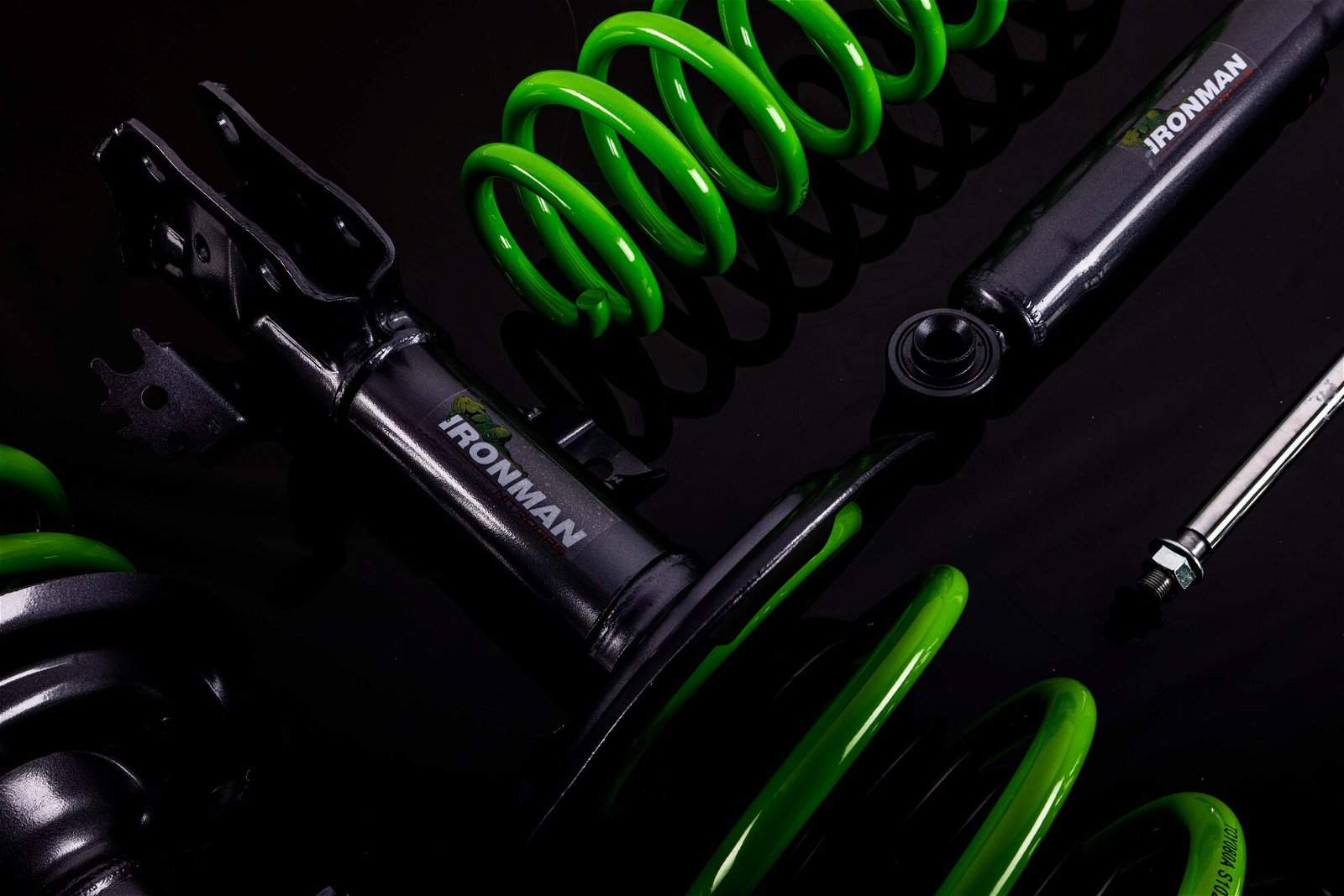
Touring rigs don’t carry “sometimes weight.” They carry always-weight: fridge, drawers, water, fuel, recovery, roof gear, plus passengers. Start by browsing suspension options so you can match the setup to your load and vehicle.
If you’ve done enough country miles, you know why this matters. A bar isn’t just a look. It’s risk management.
Factory plates often look the part until you meet a rock ledge or deep ruts. Underbody protection is one of those “boring” purchases you’ll thank yourself for when you hear the scrape.
Touring means solo stretches. Make your recovery plan boring and repeatable: rated points, decent kit, and a plan for self-recovery that doesn’t rely on luck. Sharp’s recovery category is split sensibly, including recovery essentials. A good example is the self-winch kit if you’re actually running a winch setup.
Mini scenario: You’re heading north, loaded up, and it rains the night before a sandy section. You won’t regret rated recovery points and a proper kit. You will regret having a shiny bar and no safe attachment points.
Rooftop tent vs canopy sleep setup
Rooftop tents are quick and tidy, but they add roof weight and wind resistance. A canopy-based sleep/storage setup keeps weight lower, but takes more planning. If you’re comparing styles, start with the rooftop tent category and work backwards from how you camp.
Awnings that don’t test your patience
If you camp regularly, shade becomes non-negotiable. A 270 setup is great for coverage, but it’s still weight and cost. Make sure you actually want that footprint before you commit.
Fridge and food system
Touring without a fridge gets old fast. Touring with a fridge and no power plan gets old faster. If you’re shopping, Sharp’s Icecube fridge freezers section is a clean place to compare formats.
This is where people overspend, so be picky.
Fuel
If your routes regularly push distance between servos, long range tanks can make sense. If your trips are coastal and easy, they’re usually dead weight.
Power plan
A tidy touring setup usually includes a battery plan, charging, and solar options that match your usage. If you want portable flexibility, portable packs exist too. Solar is great when you’re parked up for days.
Roof load planning
Roof racks and platforms are handy, but the roof is the worst place to stack heavy gear. Keep it light and bulky: swags, camp chairs, maybe the awning. Browse roof racks with that mindset.
A tradie build should save time every day. If it slows you down, it’s a bad build.
Most tradie pain comes from bad access. You want:
If you’re leaning canopy, start by browsing the canopies and cover options first. That gives you the “shell” you’re building inside.
For a more locked-down canopy direction, aluminium canopies are their own category.
If you want tub access and weather protection without a full canopy, the Slide-Away style is also there.
Tradie storage should be boring in the best way. Everything has a spot. Everything goes back.
Sharp’s tray and canopy accessories are broken down neatly. You can start with internal storage and design around what needs instant access: straps, battery tools, first aid, small parts, wet gear.
For vehicles that suit drawers, a proper drawer system can be a game-changer, as long as you don’t bury daily tools behind weekend gear.
Mini scenario: You finish a job late, it’s bucketing down, and you need one specific tool. If your setup requires unpacking tubs and boxes to get it, you’ll hate your own build within a week.
Tradie lighting is about placement and switching. You want light where you stand, not just light “somewhere near the ute.”
Work lights and cube lights are the obvious starting point.
If you’re running canopy power, plan it properly with fused circuits and tidy routing. The category that covers a lot of the wiring and charging components sits under auto electrical essentials.
And if your build is permanently loaded, circle back to the load conversation. GVM upgrades exist for a reason.
The best weekender setup is the one you actually use without turning Friday arvo packing into a project.
This is the “do these first” part of the 4wd build checklist.
Air and tyres
Airing down makes the biggest difference off-road for the least money. Add a compressor plan and you’ve nailed the basics. Start with the compressors and tyre accessories category.
If you’re the type who wants it fast and tidy, the Rapid Valves category is worth a look.
Recovery essentials that fit in a bag
You don’t need the whole catalogue to go camping. You do need gear that’s safe and the basics covered. A starter kit style setup is a smart baseline.
Shade and sleep, without drama
If you camp often, an awning and a sleeping solution makes weekends feel like weekends. Rooftop tents are in one spot, awnings in another, so it’s easy to browse without getting lost.
If you’re doing more than one night, add cold food and a power plan.
A fridge is a comfort upgrade that becomes a habit fast. Start in the icecube category and choose the size based on how you travel.
For portable power, packs can suit weekenders well because you can move them between vehicles and trips.
These are the quiet wins. Not exciting, but they stop headaches.
If towing is part of your plan, don’t wait until the day before a trip. Sorting towing mirrors early is one of those “why didn’t I do this sooner?” moments. The Next Gen category is right there.
A snorkel makes sense when you’re dealing with dusty touring, deeper water crossings, or you just want the intake up higher for cleaner air. Sharp has snorkels grouped under Airforce snorkels.
UHF is simple when it’s planned. Radio, antenna placement, power supply. If you’re travelling with others, it’s worth doing properly. Start at the main UHF category and choose from there.
| Priority | Touring | Tradie | Weekender |
| 1 | Load + suspension | Storage layout | Tyres + air |
| 2 | Protection | Lighting | Recovery basics |
| 3 | Recovery | Power + wiring | Shade + sleep |
| 4 | Power + fridge | Load legality | Fridge + simple power |
| 5 | Comfort add-ons | Convenience add-ons | Nice-to-haves |
| Do This First | Do This Later |
| Suspension matched to load | Rooftop extras and “just in case” gear |
| Underbody and bar protection | Fancy storage that doesn’t match your workflow |
| Rated recovery points + kit | Winch upgrades without a recovery plan |
| Power plan (fused and tidy) | Extra lighting you won’t use |
| Storage layout based on use | Random accessories that don’t have a home |
If you only take one thing from this 4wd build planner, take the order. It stops rework.
A good build is the one that matches your life, your weekends, and your load, without making the vehicle a pain to drive.
Pick one profile right now: Touring, Tradie, or Weekender. Then follow the build order and buy gear that earns its space. If you’re shopping parts, start with the category that matches your next step, not the category that looks cool.
If your next move is visibility and night driving, start with driving lights and work from there and if your next move is protection and keeping the rig intact, start with underbody and barwork first.
Want a touring, tradie, or weekender kit that makes sense together? Start with Sharp 4×4 in Australia and work through the categories step by step.

Perth Showrooms In Cockburn & Myaree.

Product focused on safety, performance and quality.

Fast, Reliable Shipping Anywhere In Australia.

Relax We Warrant Everything We Sell.
Stay up to date with our latest news and deals.